

Klaus P. Schrettenbrunner in an interview
Balancing Qi and Nutrients: A Leipzig-Based TCM Expert on the Foundation for Greater Vitality
Micronutrients are essential for our metabolism and energy levels. But stress and a demanding daily routine can take a toll on us. How can we specifically support our bodies, strengthen our inner balance, and gain new energy to face our daily challenges?

Micronutrients are the building blocks of our metabolism: zinc, vitamins, and selenium play a role in biochemical reactions and enzymes—ensuring that everything in the body runs smoothly. We don’t always realize just how much our everyday urban lives demand of us. When energy wanes, our proverbial batteries run low, and fatigue becomes a constant companion, many people seek sustainable ways to regain their inner balance and full resilience.
Klaus P. Schrettenbrunner takes a particularly holistic view of this issue. After studying medicine in Homburg, Berlin, and Innsbruck, he devoted himself entirely to naturopathy. For nearly 20 years now, he has been running his own practice on Käthe-Kollwitz-Straße in the heart of Leipzig. His specialty: he combines Traditional Chinese Medicine (TCM) and chiropractic with modern Western complementary medicine.
For this experienced naturopath, one thing is certain: health begins with a stable foundation. And this foundation is largely shaped by our daily intake of micronutrients. In this interview, Mr. Schrettenbrunner explains why even the flow of life energy (the “Qi”) stalls without the right building blocks and how we can give our bodies exactly what they need in our modern, everyday lives.
Mr. Schrettenbrunner, you combine Traditional Chinese Medicine with Western naturopathy. What role does nutrition play in your holistic therapeutic approach?
Klaus P. Schrettenbrunner: “You are what you eat.” A varied and regular intake of vitamins, minerals, phytochemicals, and dietary fiber is the fundamental prerequisite for a healthy overall metabolism, which in turn ensures the normal functioning of the immune system.
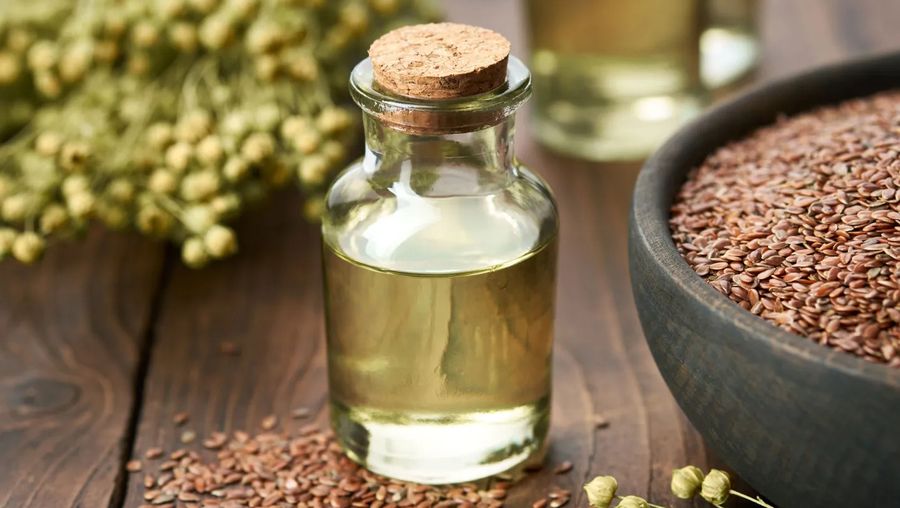
A targeted supply of micronutrients and the principles of TCM can help replenish the body's internal reserves.
In TCM, the concept of life force—Qi—is central. How would you explain the connection between micronutrients and this life energy?
Klaus P. Schrettenbrunner: In Traditional Chinese Medicine, the principle holds that without a solid material foundation, life energy cannot flow. Material nutrients—that is, Yin—are the essential prerequisite for building up and nourishing our immaterial life energy, Qi, in the first place. The basic metabolic supply and stimulation—referred to in Traditional Chinese Medicine as kidney yin—“prefers” cool foods, that is, fresh foods that have undergone only as many processing steps as necessary and as few as possible. Due to its minimal processing, a micronutrient product comes very close to embodying this principle.
In your opinion, which micronutrients play a particularly important role for the immune system—and how do you assess your patients’ intake levels?
Klaus P. Schrettenbrunner: In my daily practice, I frequently observe that patients have deficiencies in zinc, magnesium, iron, and vitamin D3 in their blood stores. Vitamin B12 and folic acid support normal red blood cell production, which in turn allows iron to be better absorbed and transported. Magnesium and various B vitamins are important for the nervous system. This ensures, for example, the natural functioning of the gastrointestinal tract, which is home to the largest number of immune glands.

Magnesium and B vitamins support the nervous system during stressful daily life. A micronutrient concentrate helps effectively address common deficiencies in zinc, iron, or vitamin D3.
Naturopathic diagnostics often reveal hidden deficiencies. How do you proceed when you suspect a patient has a deficiency in essential nutrients?
Klaus P. Schrettenbrunner: Traditional Chinese Medicine states that “the center forms the blood.” In my practice, I first order a stool and intestinal analysis, because what we don’t absorb in the first place cannot be adequately detected in a blood test. Of course, such an initial diagnostic evaluation may then be followed by necessary blood testing, for example, if specific health challenges exist or there is a particular need.
Many people take micronutrient supplements. From a naturopathic perspective, how do you view the approach of combining many micronutrients into a single supplement?
Klaus P. Schrettenbrunner: The more natural, unprocessed, and diverse the form in which vitamins, minerals, and plant compounds are provided, the better their bioavailability and the human body’s ability to store them. Mother Nature knows how to provide minerals, vitamins, and phytochemicals in chemical compounds that are effective for human metabolism. With single-ingredient supplements—even if they are of natural origin—there is a much greater risk of causing an unintended deficiency due to the interactions between the individual components.
What advice do you give your patients as a simple, practical measure they can incorporate into their daily lives to maintain a stable nutrient intake year-round?
Klaus P. Schrettenbrunner: A regional and seasonal diet that is 75 percent plant-based and consists of organic foods that are as fresh as possible. According to the world’s largest nutrition study, the China Study, meat should make up only 10 percent—but no more than 25 percent—of the diet. Eat hot meals regularly, such as soups and lightly steamed vegetables, and avoid large portions of salad in the evening. Ready-made meals and fast food should be avoided as much as possible.
Conclusion: A Solid Foundation for Daily Energy Needs
Understanding the body’s signals and taking proactive action is the key to greater vitality. As the interview with Klaus P. Schrettenbrunner from Leipzig makes clear, a holistic approach to micronutrient intake plays a central role in this. Normal energy metabolism (supported, for example, by B vitamins) and normal immune system function (supported by iron, vitamin C, and zinc) are essential for effectively coping with the stresses of everyday life.